
Audit Software for Health & Safety, ISO and Risk Control Audits
Audit Systems, Standards and Controls With a Workflow Built for Real Audit Programs.
Software that manages programs, ISO audit workflows, risk control audits, findings, corrective actions and verified closure.
Unifii manages audits as complete assurance workflows, from scope and audit components through to evidence, findings, business acceptance, corrective actions, recommendations and verified closure.
This is audit software built for real audit programs, not an inspection checklist trying to act like an audit.
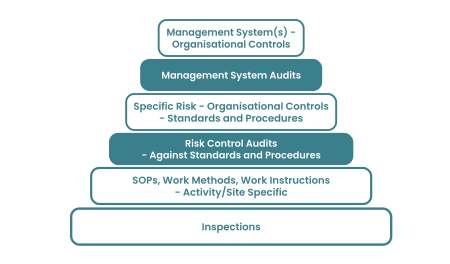
Inspections check what is present. Audits assess whether the system behind it is working.
Unifii supports both. The value is keeping them clear so the right workflow is used for the right job.
Use inspections when you are checking workplace conditions, visible controls, behaviours or specific items. Inspections are often condition-based and immediate. They can capture observations, comments, photos, immediate actions and follow-up actions.
Use audits when you are assessing whether a system, process, standard or control is working. Audits are normally planned, structured and evidence-based. They are usually framed against expected requirements or statements of what should be in place, and use findings such as conforming, non-conforming and opportunity for improvement.
The difference is not whether the record can include comments, photos or actions. The difference is the purpose of the question: inspections check observable conditions; audits assess evidence against an expected system, procedure, standard or control.
Manual handling shows the difference.
A random site check of manual handling behaviours is not the same as a business-wide audit of how manual handling risk is being managed.
Inspections ask whether a manual handling task observed on the day is being completed safely, whether the area is set up correctly, or whether immediate action is needed.
An audit asks whether the business has the systems, procedures, training, controls, monitoring and follow-up in place to manage manual handling risk across the relevant parts of the organisation.
Built for audit programs, ISO workflows and risk control assurance.
Unifii can support the same audit method across different audit types while allowing question sets, evidence requirements and workflow steps to be configured for the organisation.
Safety management system audits assess whether the safety management system conforms to the organisation’s requirements and is effectively implemented and maintained.
ISO audit workflows can be aligned to ISO question sets, including ISO 45001 elements, so each component can be managed individually inside a broader audit program.
Risk control audits assess whether a specific risk control, standard or procedure is being applied and working in practice as part of a critical control management program.
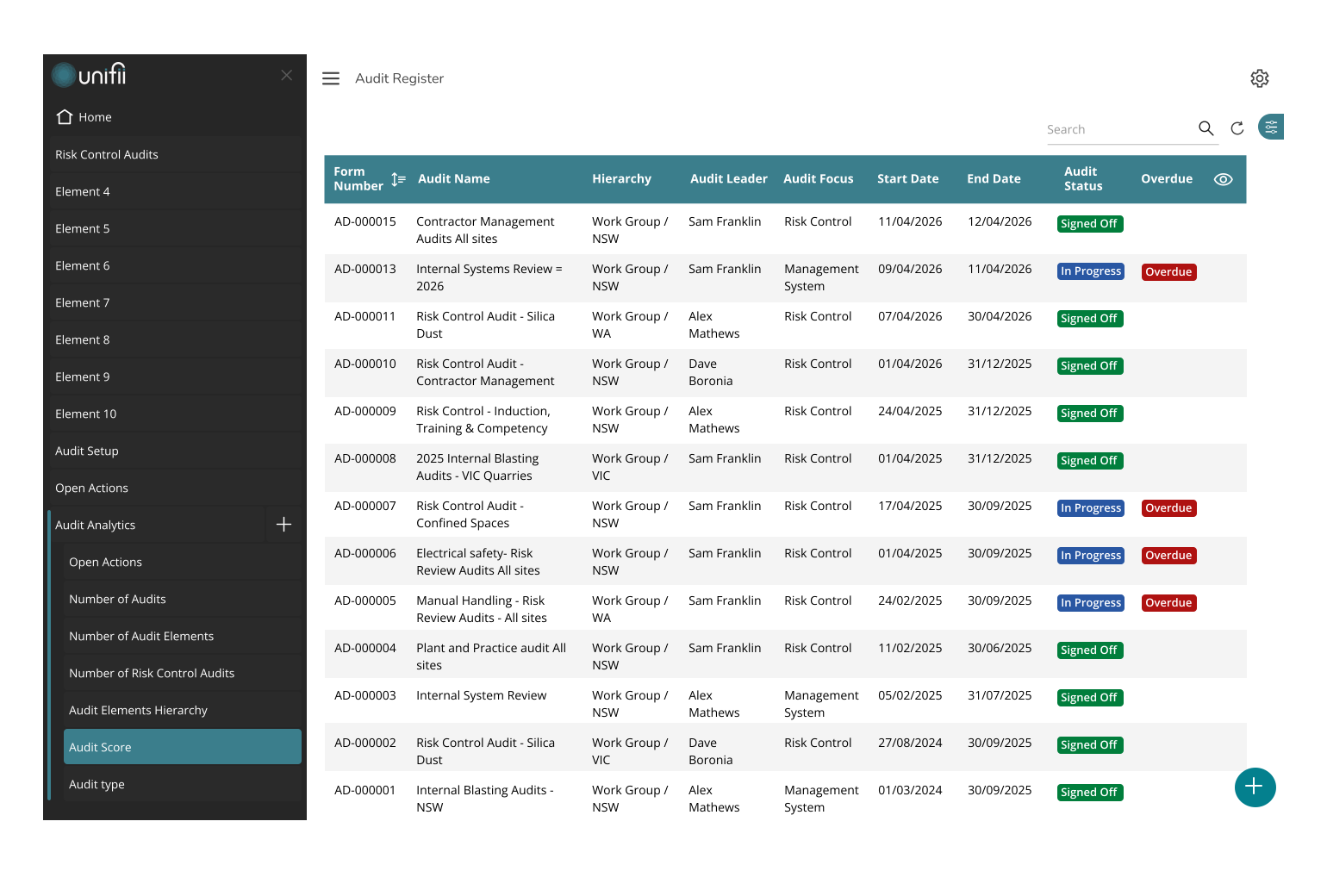
Audits can have a long life. Unifii keeps the lifecycle visible.
An enterprise audit may run over weeks or months. Findings may need business acceptance, actions may take time to complete, and closure should not happen until required evidence and verification are in place.
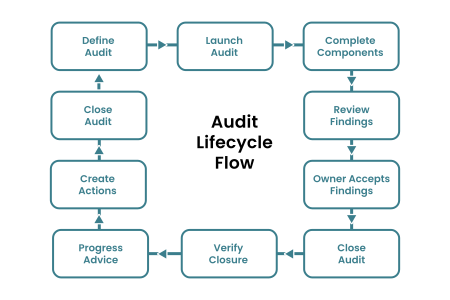
Unifii supports the audit lifecycle from audit scope and launch through to assigned components, findings, acceptance, actions, recommendations, verification and closure.
A clear audit workflow.
Define and launch - set scope, date range, audit lead, audit team members, locations, components and expectations.
Complete components - audit team members complete assigned sections, ISO elements, risk control audits or operational audit components.
Review findings - capture evidence and findings, then review before acceptance by accountable managers. Act and verify - create corrective actions, progress recommendations, verify completion and close the audit when the lifecycle is complete.
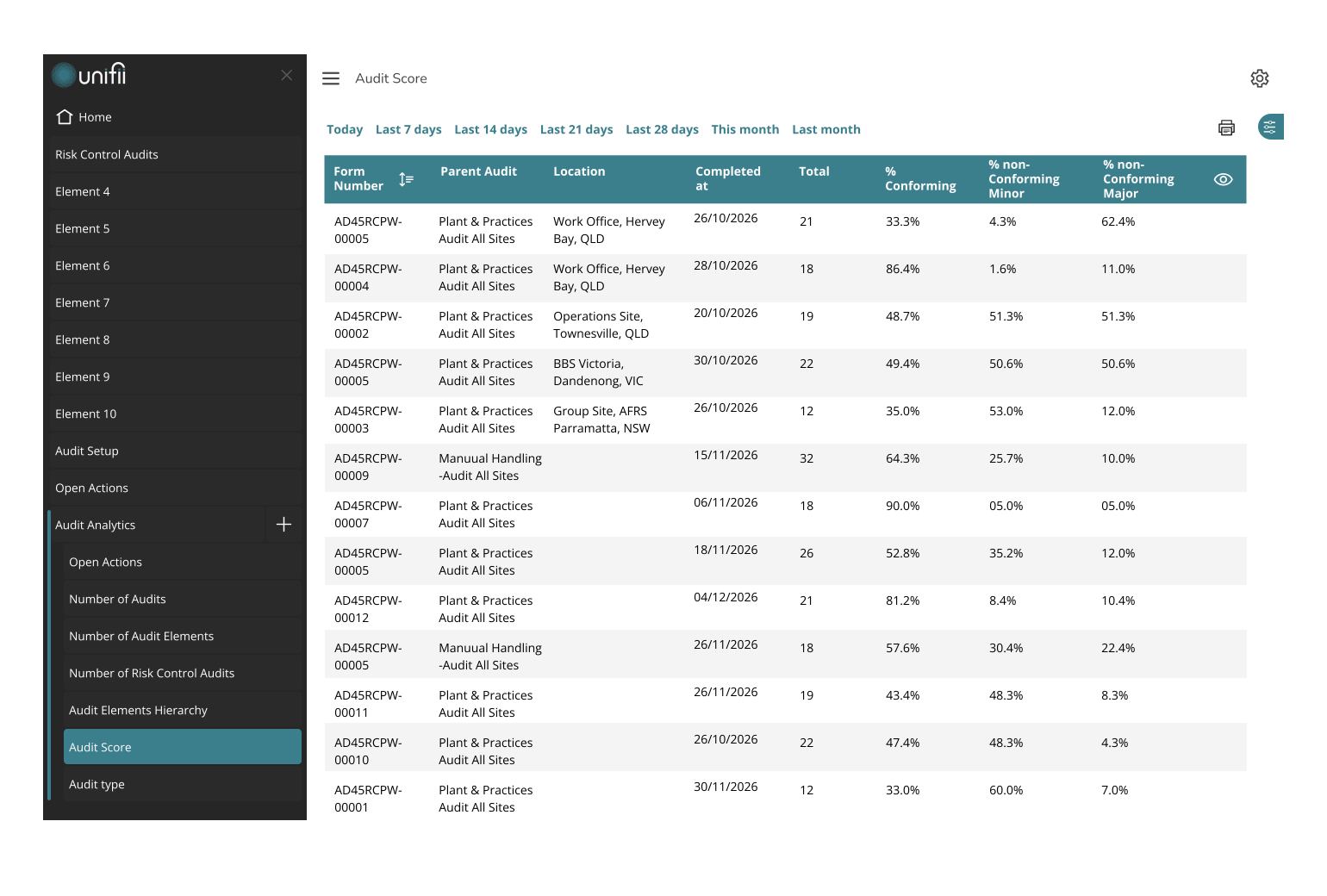
Audits produce findings, recommendations and evidence-backed actions.
This is another important difference from inspections. Audit outputs usually need business acceptance, traceability and a longer follow-through pathway.
Findings may include conforming, non-conforming, observation, opportunity for improvement or another configured finding type.
Corrective actions can be created directly from audit findings using Unifii Action Management. Each action stays connected to the audit finding while also appearing in the central Unifii action register.
One audit method across many audit programs.
The structure can be configured around the organisation’s audit program, standards, risk profile and assurance requirements.
Unifii is audit software built for real audit programs: scope, components, trained participation, findings, acceptance, corrective actions, recommendations and verified closure.
Manage audits as complete assurance workflows.
Use Unifii to plan audit programs, complete audit components, capture evidence, manage findings, create corrective actions and verify closure in one connected workflow.
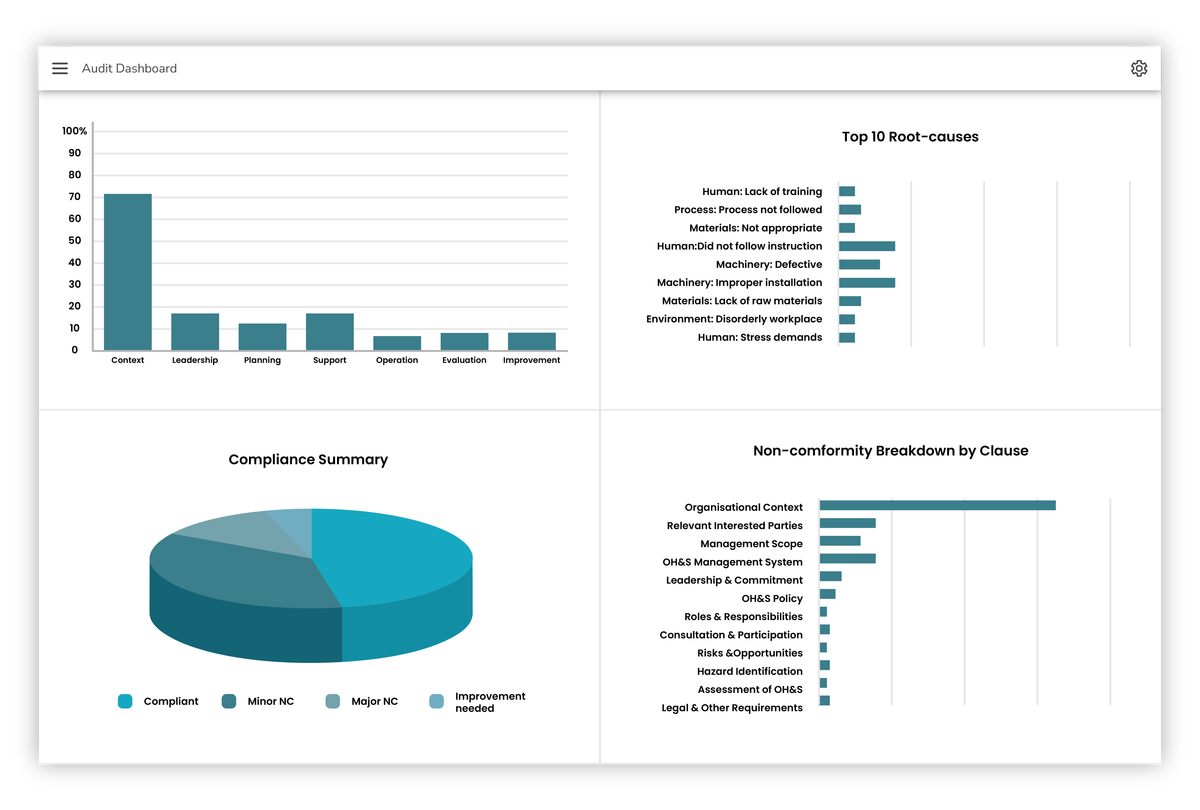
What Unifii Audits supports.
- Organisation-wide audit programs.
- Safety management system audits.
- ISO audit workflows and ISO 45001 element audits.
- Risk control audits for critical control management programs.
- Operational audits of systems, processes, procedures and controls.
- Audit scope and date range definition.
- Audit lead and audit team member roles.
- Audit launch and planning steps.
- Audit components and assigned sections.
- Evidence capture, notes, comments and attachments.
- Findings, observations and opportunities for improvement.
- Review and acceptance of findings.
- Corrective actions through Unifii Action Management.
- Recommendations and follow-through.
- Accountable-manager review.
- Final audit review and sign-off.
- Verified audit closure.
- Audit trails, reporting and executive summary support.
Talk to us about our Audit Software.
We can manage audits as complete assurance workflows, from scope and audit components through to evidence, findings, business acceptance, corrective actions, recommendations and verified closure. Our system is built for real audit programs, not an inspection checklist trying to act like an audit.
Is Unifii audit software or inspection software?
Unifii supports both audits and inspections, but they are different workflows. Inspections check observable conditions, items or behaviours. Audits assess evidence against a system, process, standard, procedure or control.
Can Unifii support ISO 45001 audits?
Yes. Unifii can support ISO 45001-aligned audit workflows and question sets, including element-based audit components that can be managed individually inside a broader audit program.
Can Unifii support risk control audits?
Yes. Unifii can support risk control audits that assess whether a specific control, standard or procedure is being applied and working in practice. This is particularly useful as part of a critical control management program.
Can different audit team members complete different sections?
Yes. Unifii can manage an audit as one overarching activity while audit team members complete assigned components, sections, locations or workstreams.
Can audit findings create corrective actions?
Yes. Audit findings can create corrective actions through Unifii Action Management. The action remains connected to the audit finding while also appearing in the central action register for ownership, due dates, evidence, verification and reporting.
Does Unifii replace auditor judgement?
No. Unifii supports the audit workflow, evidence trail, findings, actions and closure process. It does not replace auditor competence, professional judgement or independent certification requirements.