
Hazard Reporting Assessment Software
Turn Hazards Into Improvement Before They Become Incidents.
Capture hazards earlier, create actions, verify resolution and be informed before hazards become incidents.
Unifii makes it easy to report hazards, create the right actions and verify that they have been resolved.
We capture hazards where work happens, assess what needs to change, manage actions through one connected action methodology and close the loop with evidence-backed verification.
When reporting leads to action, hazard reporting becomes more than a form. It becomes a practical improvement loop.
The opportunity in every hazard report
A hazard is a signal that something can be improved before it becomes an incident. It may be a damaged piece of equipment, an unsafe condition, a missing control, a recurring task issue, contractor exposure, a housekeeping problem, a vehicle risk, a process gap or a change in the work environment.
The value is not only in recording that the hazard exists. The value comes from what happens next.
- Was the hazard reviewed?
- Was the person who raised it kept informed?
- Was an action created and assigned to the right owner?
- Was the fix completed?
- Was the resolution verified?
- Can leaders see whether similar hazards are appearing elsewhere?
Unifii helps organisations make that loop visible.
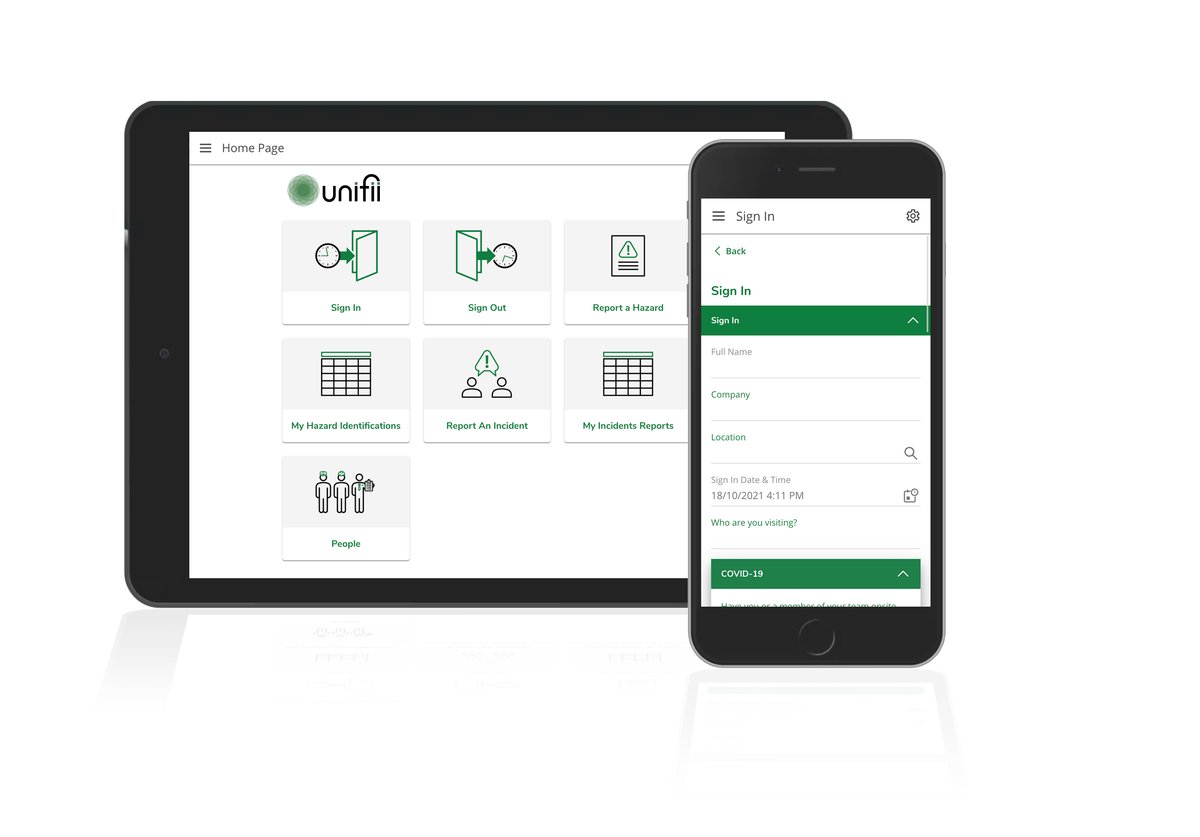
A clear hazard improvement loop.
Why the feedback loop matters.
If hazards disappear into a spreadsheet, inbox or disconnected system, reporting becomes frustrating, people stop raising issues, and the organisation loses its early warning signs.
Unifii closes the loop between the person who reports the hazard, the people responsible for fixing it and the leaders accountable for assurance. This creates stronger follow-through, clearer evidence that hazards are being resolved, and better participation.
Core capabilities
- Mobile-friendly hazard reporting.
- Hazard type, location, site, task and asset capture.
- Photos, attachments and supporting evidence.
- Supervisor or HSEQ review.
- Feedback to the hazard reporter.
- Embedded action creation inside the hazard workflow.
- Action owner, due date, status and evidence requirements.
- Visibility through the central Unifii action register.
- Resolution evidence and verification before closure.
- Recurring hazard and trend reporting.
- Links to incidents, inspections, audits, risks and controls.
From hazard reports to better assurance
Hazard reporting gives leaders an earlier view of where risk may be building. Unifii helps turn individual hazard reports into structured operational evidence, showing what was reported, what action was created, who owned it, whether it was completed, what evidence was provided and whether the hazard was actually resolved.
Because actions stay connected to the hazard workflow and also roll up into the central action register, leaders can see both the local response and the broader pattern. This moves leaders beyond counts of reported hazards and focuses on the quality of response, resolution, verification and improvement.
AI-supported hazard insight.
UnifiiAI can support hazard management by helping improve report quality, identify missing information, detect repeat hazards and highlight patterns across sites, assets, teams, contractors or work types.
AI supports people. It does not approve work, make final decisions or replace human judgement.
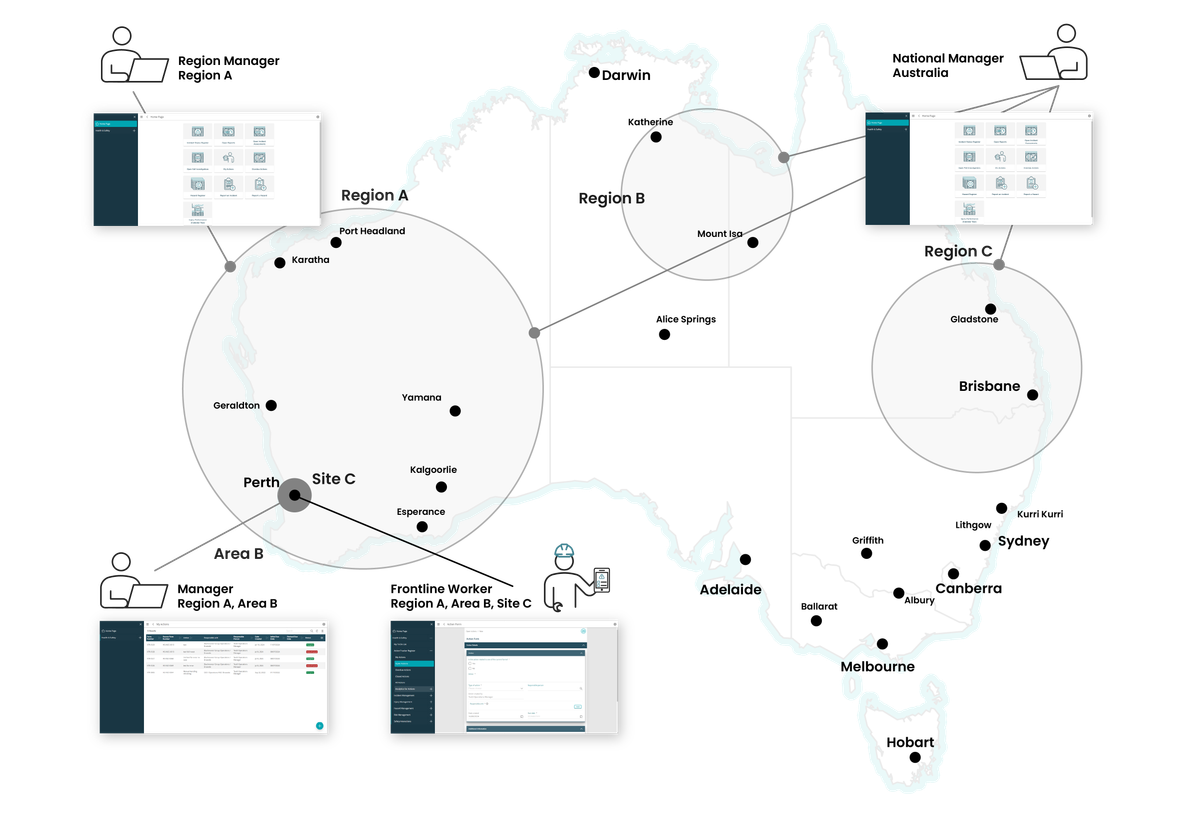
Built for complex operations.
Unifii hazard reporting and assessment is suited to environments where hazards, actions, controls and operational evidence need to be managed across sites, teams, contractors, assets, vehicles and work locations.
That includes mining and resources, manufacturing and heavy industry, transport and logistics, property, construction and facilities, utilities, infrastructure, essential services, retail and distributed operations, and government or public sector environments.
Improve hazards before they become incidents.
Use Unifii to capture hazards, create action, verify resolution and close the loop with the people who raised them.
What is hazard reporting software?
Hazard reporting software helps organisations capture hazards, unsafe conditions or early warning signs, then manage the response, action and resolution process.
How is hazard reporting different from incident management?
Hazard reporting focuses on identifying and improving conditions before harm occurs. Incident management focuses on events that have already occurred or nearly occurred.
Can a hazard create actions?
Yes. Hazards can create safety, corrective or improvement actions depending on the organisation terminology and workflow design. These are managed through the same action management methodology used across the platform. The action stays connected to the hazard record, and in the central action register for ownership, due dates, evidence, status, escalation and verification.
Can the person who reported the hazard receive feedback?
Yes. Unifii can support workflow steps, notifications and status visibility so reporters can see that the hazard has been received, reviewed and acted on where appropriate.
Can Unifii show recurring hazards?
Yes. Hazard data can be reported across sites, teams, assets, contractors and work types to identify recurring patterns and improvement opportunities.